Introduction
Have you ever stumbled across a word that made you stop and scratch your head? That is exactly what happened to me when I first encountered the term “karnooog.” It looked familiar yet somehow completely foreign at the same time. You might have seen it in a comment section, heard it in passing conversation, or perhaps you are actively searching for its meaning right now. Whatever brought you here, you are in for an interesting ride.
The word karnooog does not have a single, straightforward definition. Instead, it opens a door to multiple possibilities, each more fascinating than the last. Could it be a misspelling of the beloved Australian marsupial, the kangaroo? Is it an ancient Celtic dwelling hidden in Scottish and Irish lakes? Or perhaps it is a term of endearment used by Armenian families to call their loved ones?
In this article, we will explore every angle of karnooog. We will dig into its possible origins, examine how it is used in different contexts, and help you figure out which meaning fits your situation. By the time you finish reading, you will have a clear understanding of this mysterious word and maybe even a new appreciation for the quirks of language. Let us jump right in.
The Kangaroo Connection: A Common Misspelling
Why People Confuse Karnooog with Kangaroo
The most obvious explanation for karnooog is that it is simply a typo. Let us be honest with ourselves here. We have all been there, typing away on our phones or keyboards, only to realize we have butchered a perfectly simple word. Kangaroo is one of those words that people frequently misspell. With its unusual combination of letters, it is easy to see how someone could accidentally type karnooog instead.
The similarity is striking when you look at the two words side by side. Both start with “kar” and end with “ooog” or “aroo.” The middle section is where things get jumbled. If you are typing quickly, your fingers might slip, and suddenly you have created a brand new word that does not actually exist. This happens more often than you might think, especially with words that are not part of our everyday vocabulary.
What Makes Kangaroo Such an Iconic Animal
Before we dive deeper into the misspelling theory, let us take a moment to appreciate the animal itself. The kangaroo is one of the most recognizable creatures on the planet. These incredible marsupials are native to Australia and New Guinea, and they have captured the imagination of people worldwide. With their powerful hind legs, long thick tails, and distinctive hopping movement, kangaroos are truly unique in the animal kingdom.
Female kangaroos carry their babies, called joeys, in a pouch on their stomachs. This is one of the most endearing and well-known facts about these animals. When you think about it, the word karnooog might actually be a fitting description for a baby kangaroo trying to pronounce its own name. It has that cute, bumbling quality that makes you smile.
The Aboriginal Origin of the Word Kangaroo
Here is a fun fact that might surprise you. There is a widely held belief that the word kangaroo comes from an Australian Aboriginal word meaning “I don’t know”. This is actually not true, but it makes for a great story. The truth is that the word has a much more interesting history. When Captain James Cook and his crew first encountered these animals in 1770, they asked the local Aboriginal people what they were called. The response they received sounded like “kangaroo” to their ears, and the name stuck.
So if someone asks you what karnooog means, you could technically say it means “I don’t know” and be sharing a piece of linguistic folklore. It might not be accurate, but it certainly adds to the mystique of the word.
The Ancient Crannog: An Irish and Scottish Mystery
What Exactly Is a Crannog?
Now let us explore a completely different possibility. What if karnooog is actually a mishearing or variation of the word “crannog”? This is a fascinating angle that takes us back thousands of years to ancient Ireland and Scotland.
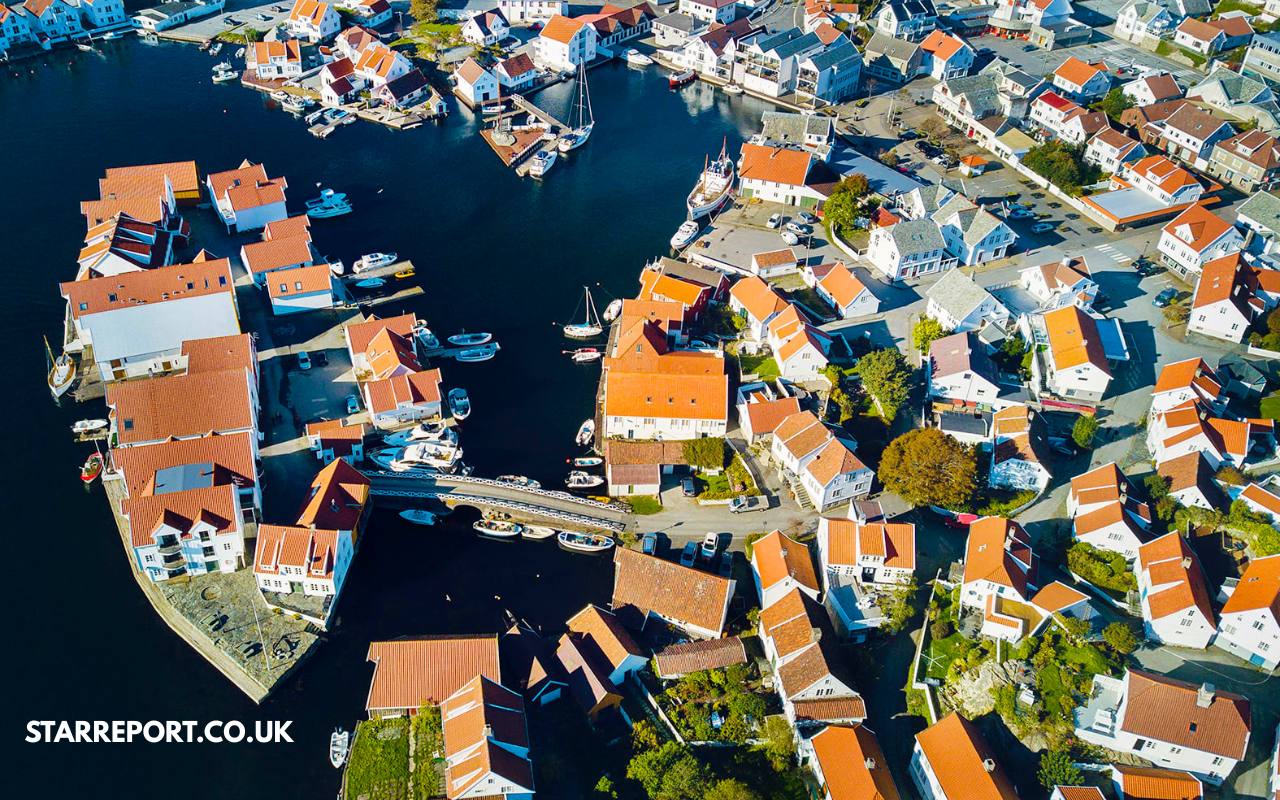
A crannog is an artificial island or a natural island that was used for settlement. These structures were built in lakes, rivers, and estuarine waters, typically during prehistoric and medieval times. The word itself comes from the Old Irish “crannóc,” which referred to a wooden structure or vessel. The root “crann” means “tree,” and the suffix “-óg” is a diminutive ending.
Imagine living on a crannog. You would be surrounded by water, protected from enemies and wild animals. These artificial islands were incredibly clever engineering solutions for their time. People built them using timber, stone, and whatever materials they could find. Some crannogs were large enough to support entire communities, while others were smaller and used for specific purposes like fishing or defense.
How Karnooog Might Relate to Crannog
The pronunciation of crannog is roughly “kran-og” or “kran-uhg.” If you say it quickly or with an accent, it could easily be misheard as karnooog. The extra “oo” sound might come from the way the word is spoken in certain dialects. It is also possible that someone heard the word crannog and tried to spell it phonetically, resulting in the unique spelling we are exploring today.
I find this connection particularly intriguing because it shows how words evolve and change over time. A word that started as an ancient Celtic term for a wooden island could transform into something that sounds completely different. Language is a living thing, constantly shifting and adapting.
The Fascinating History of Crannogs
Let me share a bit more about these incredible structures because they truly deserve more attention. Crannogs were built in Scotland and Ireland for thousands of years. Unlike the prehistoric pile dwellings around the Alps, which were built on shores and later flooded, crannogs were deliberately constructed in the water. This made them highly defensible and provided a secure living environment for their inhabitants.
Archaeologists have found evidence of crannogs dating back to the Bronze Age. Some of these sites have yielded incredible artifacts, including pottery, tools, and even human remains. The crannogs were not just simple shelters. They were sophisticated settlements with complex social structures and trading networks.
When you think about karnooog in this context, it takes on a whole new meaning. Instead of being a simple misspelling, it becomes a link to our ancient past. It connects us to the people who lived on these artificial islands, who built their homes on the water and created thriving communities.
The Armenian Connection: A Term of Endearment
Karnoog as a Sweet Nickname
Here is another possibility that might surprise you. In Armenian, the word “karnoog” is used as a term of endearment. It literally means “lamb,” but it is used in the same way that English speakers might use “darling,” “sweetheart,” or “honey”.
Picture this: an Armenian grandmother calling her grandson “karnoog” as she pinches his cheeks and offers him homemade food. It is a warm, affectionate term that conveys love and tenderness. The extra “o” in karnooog might simply be a variation in spelling or pronunciation.
This is such a beautiful meaning for a word that otherwise seems puzzling. Instead of being a mistake or an obscure historical reference, karnooog could be a way of expressing love. It reminds me of how we use animal names as terms of endearment in English. We call people “honey,” “sweetie pie,” and even “kitten” or “puppy.” Using “lamb” in Armenian is no different.
The Cultural Significance of Animal Nicknames
Many cultures use animal names as terms of endearment. In Turkish, “canım” means “my life” or “my soul.” In Arabic, “habibi” means “my beloved.” In Armenian, “karnoog” adds to this rich tradition of expressing affection through language.
The choice of “lamb” is particularly interesting. Lambs are gentle, innocent creatures that evoke feelings of warmth and protection. When you call someone “karnoog,” you are essentially saying they are precious and worthy of care. It is a powerful sentiment wrapped up in a single word.
If someone has called you karnooog, consider yourself lucky. You have received a compliment wrapped in cultural significance. It is a reminder of the deep connections that language creates between people.
Other Possible Meanings and Interpretations
The Gaming World Connection
The search for karnooog also leads us into the world of gaming. There is a fighting game called “Karnov’s Revenge” that was released by Data East in 1994. The main character is named Karnov, a fire-breathing Russian who is seeking the lost Treasure of Babylon.
Could karnooog be a reference to this character? It is certainly possible. Gaming communities often create nicknames and variations of character names. Karnov could easily become karnooog through the natural evolution of gaming slang.
There is also a hero named Karnok in a game called The Bazaar. This DLC expansion adds the playable hero Karnok along with over 120 new items and skills. The similarity in names is striking. It shows that the root “karn” appears in various forms across different contexts.
The Plant Connection
In the world of botany, there is a non-scientific name “kanoogoo” associated with the plant Pongamia pinnata. This plant is also known as Pongamia glabra. While the spelling is not exactly the same, the phonetic similarity to karnooog is worth noting.
Pongamia pinnata is a tree that has various uses, from traditional medicine to biofuel production. If someone mentioned karnooog in the context of plants or gardening, they might actually be referring to this species. It is a reminder that words can have multiple meanings depending on the context.
The Geographical Reference
There is also a region called Kornôg Bengal, which is the Breton name for West Bengal in India. With over 80 million people living there, it is one of the most populous regions in the country. The capital is Kolkata, a vibrant city with a rich cultural heritage.
Could karnooog be a mishearing or misspelling of Kornôg? It is certainly plausible. The similarity in spelling and pronunciation makes this a distinct possibility. If you heard someone talking about Bengal and the word karnooog came up, they might have been referring to this region.
How to Use Karnooog in Conversation
When You Might Encounter This Word
Now that we have explored the various meanings of karnooog, you might be wondering how to use it yourself. The truth is that there is no single correct way to use this word because its meaning depends entirely on the context.
If you are in Australia or talking about Australian animals, karnooog is likely a playful misspelling of kangaroo. You could use it jokingly with friends who appreciate linguistic humor. For example, you might say, “Look at that big karnooog hopping across the field!” It adds a touch of whimsy to your conversation.
If you are discussing ancient history or Celtic culture, karnooog might be your way of referring to a crannog. You could say, “The ancient people built a karnooog on the lake for protection.” It is a modern twist on an ancient word.
The Endearing Use of Karnooog
Perhaps the most heartwarming use of karnooog is as a term of endearment. If you have Armenian friends or family, you might adopt this word to express affection. Calling someone your little karnooog is a sweet and personal way to show you care.
I remember the first time I heard someone use a foreign term of endearment. It felt special, like being let in on a secret. Language has a way of creating intimacy, and using words from other cultures can deepen our connections with others.
Using Karnooog in Writing
If you are a writer or content creator, karnooog offers an interesting opportunity. You could use it as a creative element in your work. Perhaps it is the name of a character, a place, or even a magical creature in a fantasy story. The ambiguity of the word gives you freedom to define it however you like.
Think about it. You have the power to give karnooog a new meaning that fits your narrative. It could be a hidden treasure, a secret code word, or the name of a mysterious island. The possibilities are endless.
The Evolution of Language and Misspelled Words
Why Misspellings Become Popular
Language is constantly evolving, and misspellings play a surprising role in this process. Think about how many words we use today that started as mistakes. “Bird” was originally “brid,” but someone swapped the letters, and the new version stuck. “Dirt” came from “drit.” These changes happened because people made errors, and those errors became accepted.
Karnooog follows this pattern perfectly. It started as a simple misspelling of kangaroo, but it has the potential to become something more. As more people use the word, it gains legitimacy and meaning. This is how language works. It is democratic and organic, shaped by the people who use it every day.
The Internet’s Role in Creating New Words
The internet has accelerated this process dramatically. Social media platforms, messaging apps, and online forums have created a space where new words can spread quickly. A typo that goes viral can become a legitimate part of our vocabulary within days.
I have seen this happen countless times. Words like “meme,” “selfie,” and “tweet” were not part of our everyday language just a few years ago. Now they are household terms. Karnooog could be the next word to join this list. All it takes is enough people using it consistently.
The Charm of Linguistic Quirks
There is something charming about linguistic quirks like karnooog. They remind us that language is not a rigid set of rules but a living, breathing entity. When we embrace these quirks, we celebrate the creativity and playfulness of human communication.
Next time you see a misspelled word, do not dismiss it immediately. Instead, consider what it might become. That typo could be the start of something beautiful.
Embracing the Mystery of Karnooog
The Joy of Not Knowing
Sometimes the best part of discovering a new word is the mystery surrounding it. Karnooog is a perfect example of this. We have explored multiple possible meanings, but the truth is that we may never know exactly what someone meant when they used this word.
And that is okay. Not everything needs a clear definition. Some words exist in the space between meanings, waiting for us to give them purpose. Karnooog is one of those words. It is a blank canvas, ready for you to paint your own interpretation.
Creating Your Own Meaning
I encourage you to embrace the ambiguity of karnooog. Instead of trying to pin down a single definition, think about what the word means to you. Does it remind you of a kangaroo? Does it evoke images of ancient islands? Does it feel like a term of endearment?
Your personal connection to the word is what gives it meaning. Language is personal, and the words we use reflect our experiences and emotions. By claiming karnooog as your own, you become part of its story.
Sharing the Word with Others
The best way to keep a word alive is to share it with others. Tell your friends about karnooog. Use it in conversations. Write it in emails. The more people encounter the word, the more it becomes part of our collective vocabulary.
You might even start a trend. Imagine if karnooog became the next big slang term. You could say you were there from the beginning, part of the word’s origin story. That is a pretty cool thought, is not it?
Conclusion
We have taken quite a journey together exploring the mysterious word karnooog. From the hopping kangaroos of Australia to the ancient crannogs of Ireland and Scotland, from the sweet Armenian term of endearment to the various other possibilities, we have covered a lot of ground.
What have we learned? First, that karnooog is a word with multiple potential meanings. It could be a simple misspelling, a historical reference, or a loving nickname. Second, that language is wonderfully flexible and ever-changing. Words evolve, shift, and take on new meanings over time. Third, that embracing linguistic quirks can be a fun and rewarding experience.
The next time you encounter an unfamiliar word, I hope you approach it with curiosity rather than frustration. Ask yourself what it might mean. Consider its possible origins. And most importantly, have fun with it. Language is a playground, and karnooog is one of its most intriguing slides.
So what does karnooog mean to you? Is it a kangaroo with a speech impediment? An ancient island dwelling lost to time? A sweet nickname from an Armenian grandmother? Or perhaps something entirely new that only you can define? Whatever your answer, remember that you are now part of the story of this fascinating word.
If you enjoyed this exploration, share it with someone who loves words as much as you do. Start a conversation about karnooog and see what meanings others come up with. The beauty of language is that it belongs to all of us, and every voice adds something valuable to the chorus.
Thank you for joining me on this linguistic adventure. Until next time, keep your eyes and ears open for the wonderful, weird, and wonderful words that make our world so rich.
Read this to: Who Was Lois Denhard? The Untold Story of a Scholar Who Changed Literary History
Frequently Asked Questions
1. What does karnooog mean?
Karnooog does not have a single definitive meaning. It is most commonly a misspelling of “kangaroo,” but it could also refer to a crannog (an ancient artificial island), be used as a term of endearment in Armenian meaning “lamb,” or have other interpretations depending on context.
2. Is karnooog a real word?
While karnooog is not found in standard dictionaries, it is a word that people use in various contexts. It appears as a misspelling, a nickname, and in other informal settings. As language evolves, words like this can gain acceptance over time.
3. How do you pronounce karnooog?
The pronunciation of karnooog depends on how you interpret it. If you are using it as a variation of kangaroo, you might say “kar-noog.” If you are referencing a crannog, it might be closer to “kran-og.” The flexibility is part of its charm.
4. Is karnooog Armenian?
The word “karnoog” (spelled without the extra “o”) is used in Armenian as a term of endearment meaning “lamb”. It is similar to calling someone “darling” or “sweetheart” in English. The spelling karnooog may be a variation of this term.
5. What is a crannog?
A crannog is an artificial or natural island used for settlement in ancient Ireland and Scotland. These structures were built in lakes, rivers, and estuarine waters. The word comes from Old Irish “crannóc,” meaning a wooden structure.
6. Is karnooog related to kangaroos?
Most likely, yes. Karnooog appears to be a common misspelling of “kangaroo”. The two words share a similar structure and sound, making it easy for people to accidentally type or say karnooog instead of kangaroo.
7. Can I use karnooog in everyday conversation?
Absolutely! Using karnooog in conversation can be a fun way to play with language. Whether you use it jokingly to refer to a kangaroo, as a term of endearment, or in any other creative way, it adds a unique touch to your communication.
8. Where did the word karnooog originate?
The origin of karnooog is unclear, but it likely emerged as a typo or mishearing of existing words like “kangaroo” or “crannog.” Its usage has been noted in various contexts, including gaming, botany, and as a term of endearment in Armenian culture.
9. What is Karnov’s Revenge?
Karnov’s Revenge is a fighting game released by Data East in 1994. The main character is named Karnov, and the game features thirteen combatants competing in the Great Grapple. The similarity to karnooog is coincidental but interesting.
10. Why are there so many different meanings for karnooog?
The multiple meanings of karnooog reflect the complexity of language and how words evolve. A single spelling can connect to different words, cultures, and contexts. This ambiguity makes karnooog a fascinating example of linguistic diversity and creativity.
About the Author